
I hate eating alone.
Humble Beginnings in Hesse


To this day, I would rather cook a whole pot of food and distribute it to the neighbors, than sit by myself to eat.
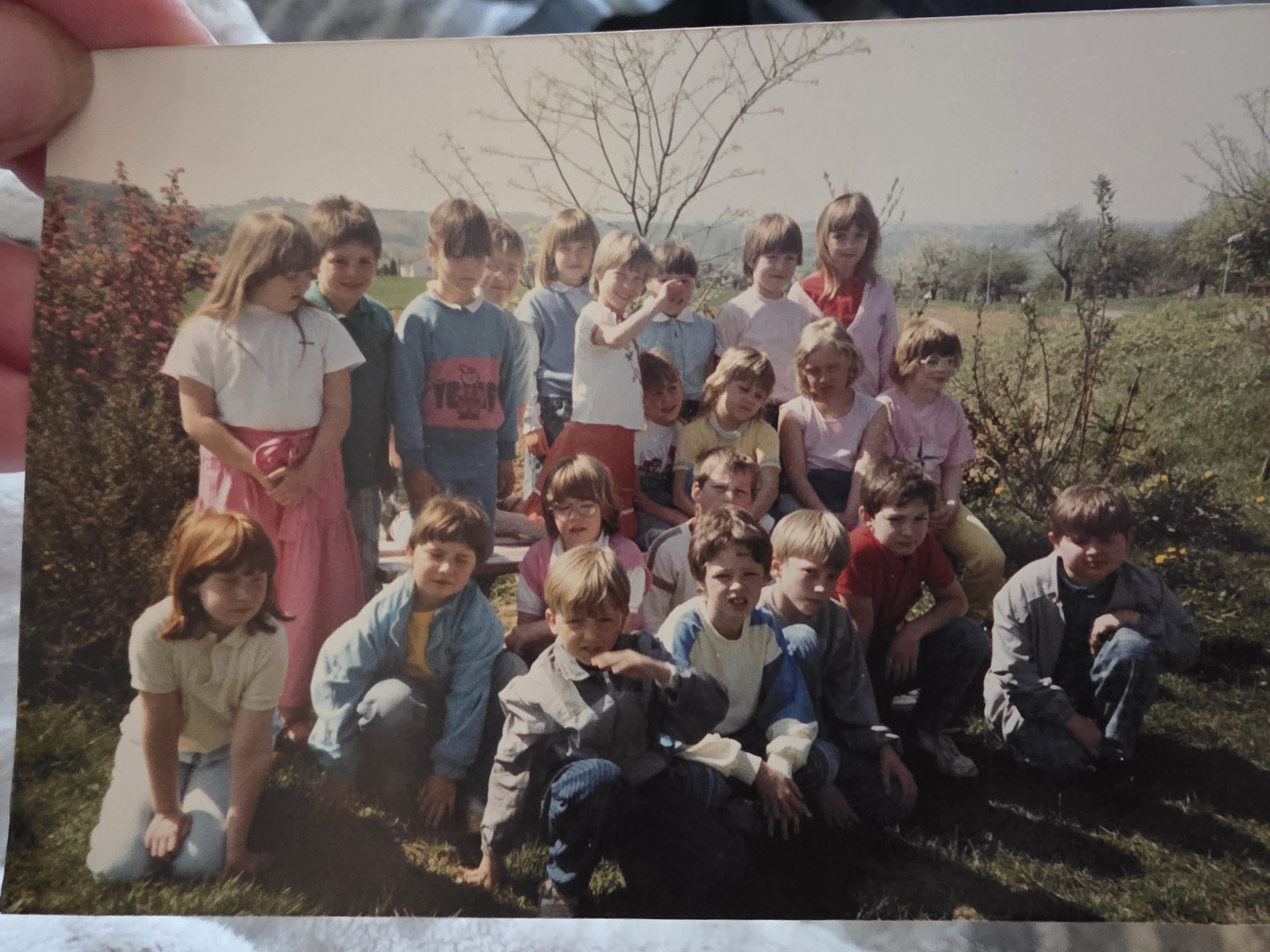
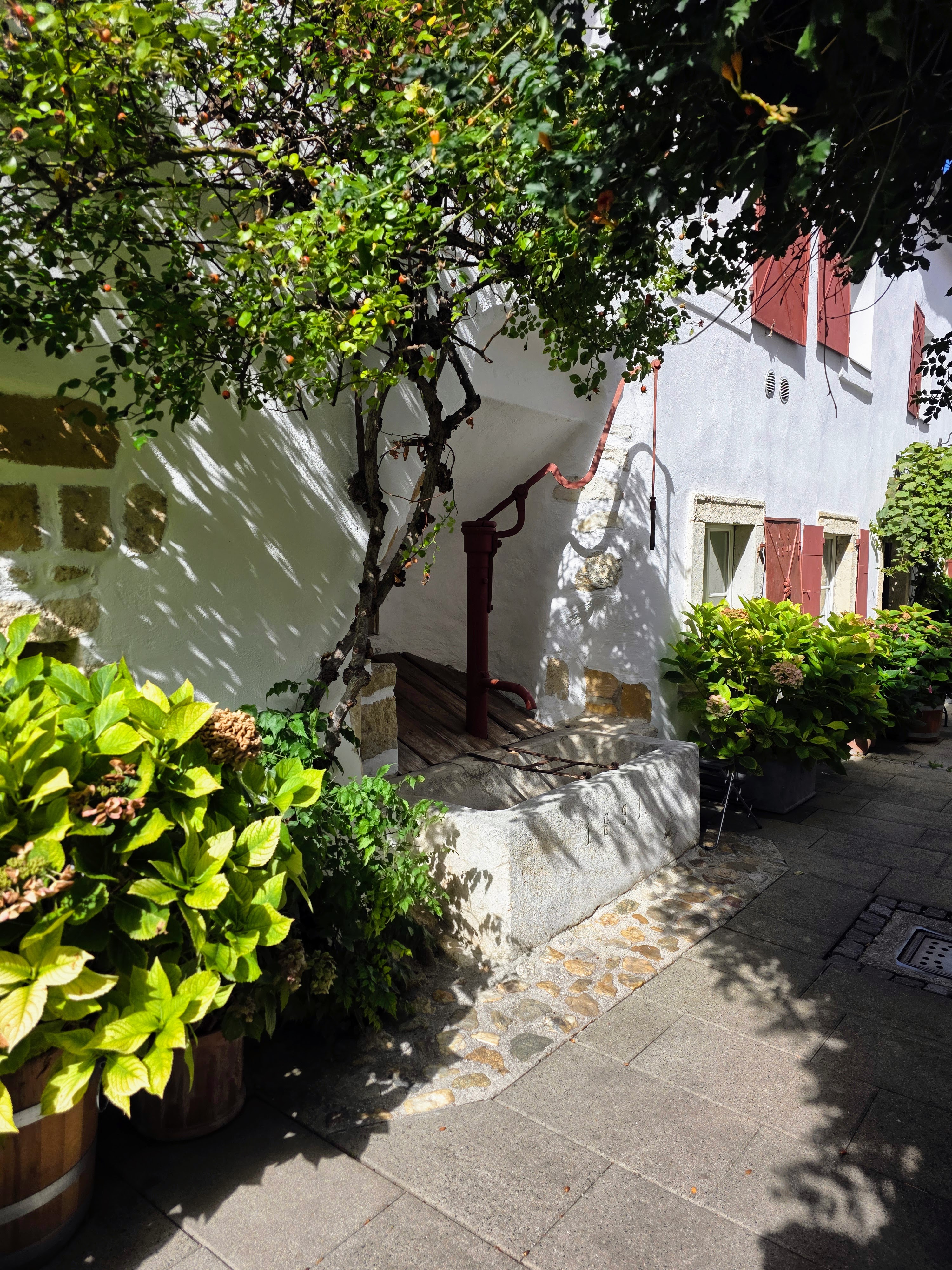
I grew up in Langenbergheim, a village of 1,168 in Hesse, Germany, where the Roman Limes ran past the edge of town and nobody made a fuss. History wasn't a subject. It was a Tuesday.
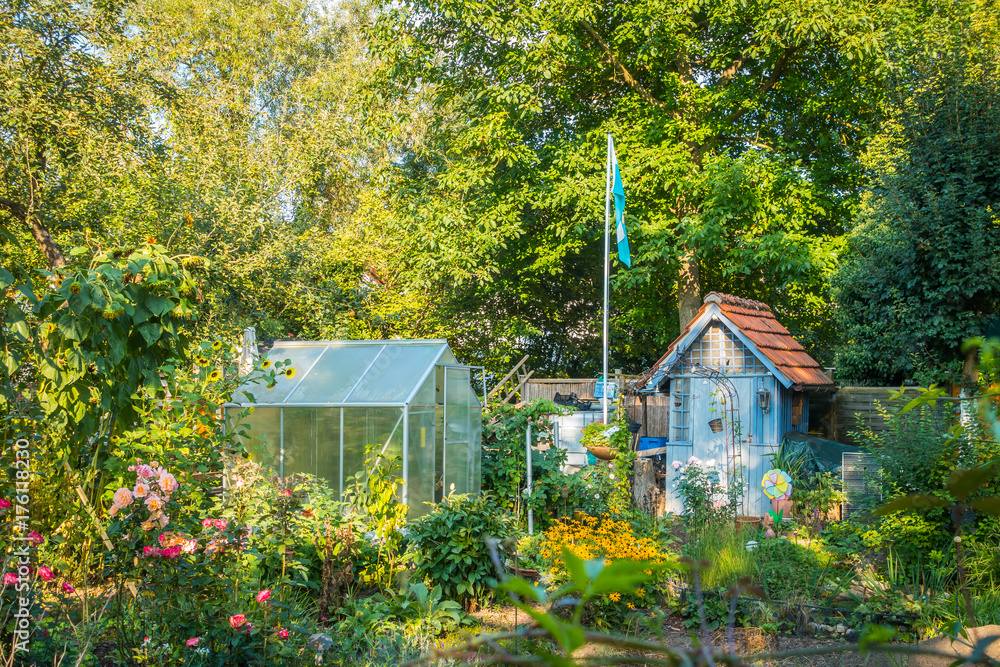
Sundays belonged to Frankfurt. We drove an hour to my grandmother and her allotment garden (a Schrebergarten, if you want to sound like you know), where there was always a job: beans to snap, garlic to peel, more apples and potatoes than any one child should be asked to face. In the fall we put up elderberries and gooseberries.
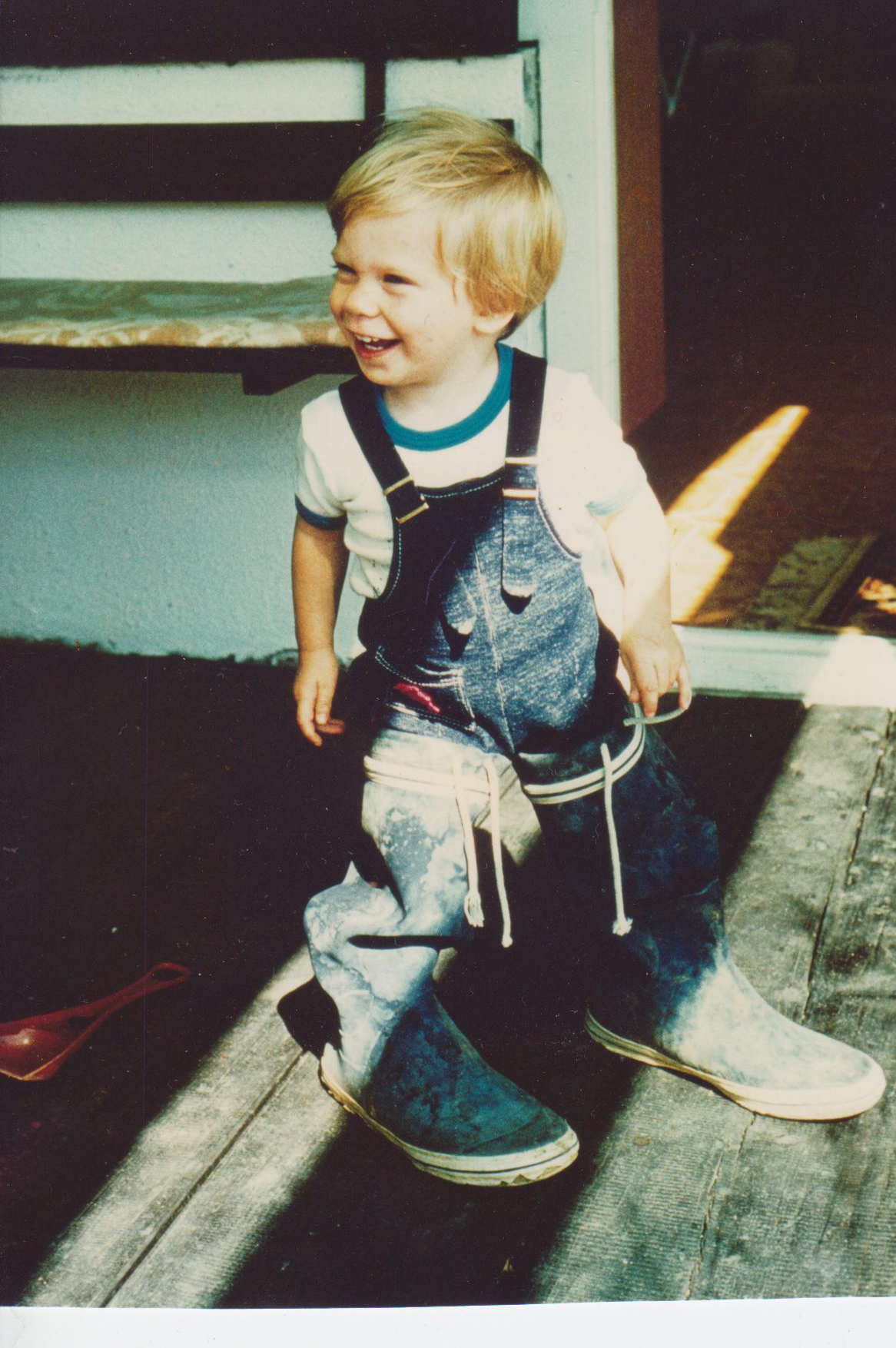
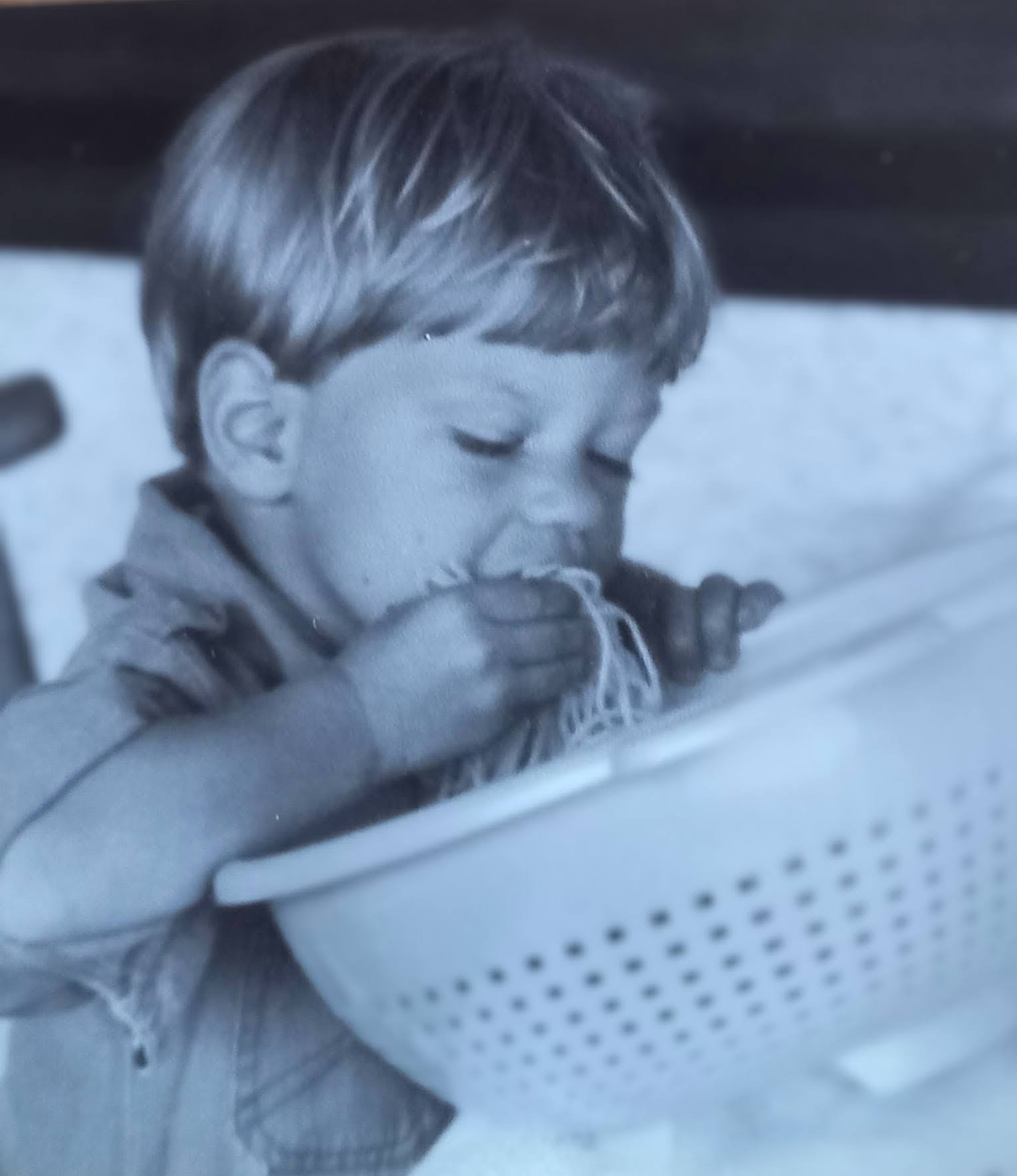
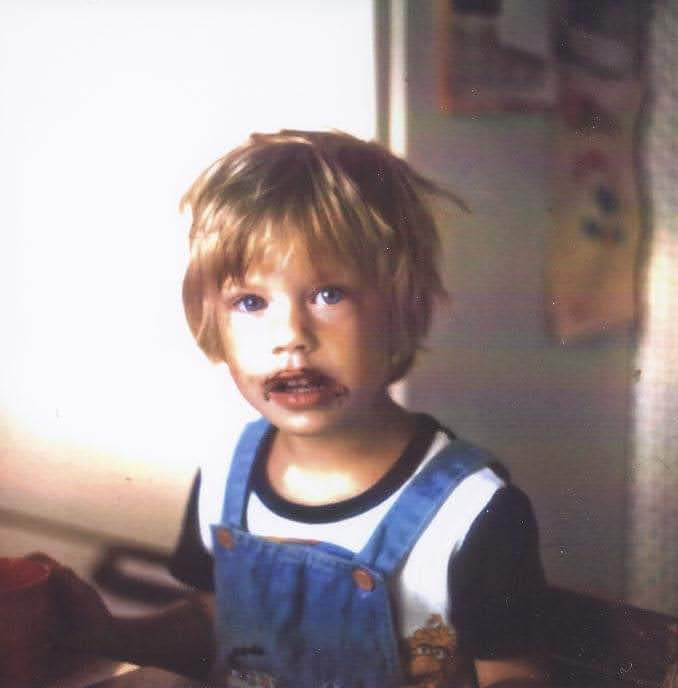
I was never a picky eater. I was a chatty one. I talked through every meal until my grandmother, who had beans to snap and no patience for commentary, would say, in Hessian, Haldemo dei Sabbel! (Hold your trap, roughly). I ate. I kept talking.
My sister, four years younger, peeled next to me. She went on to become a pastry chef at a Michelin-starred restaurant in Austria, which tells you something about those potatoes. Nobody called it an education. It was one.
The Meaning of Standards





In my teens I worked the country inn, kitchen and dining room both. Then I went to university for a business degree, paying my way through school in Franconia as chef de rang at Reisers, a Michelin-starred restaurant. This is where I learned standards. I still work to them.
"Standards are a kind of kindness. They tell someone they matter before you've said a word."
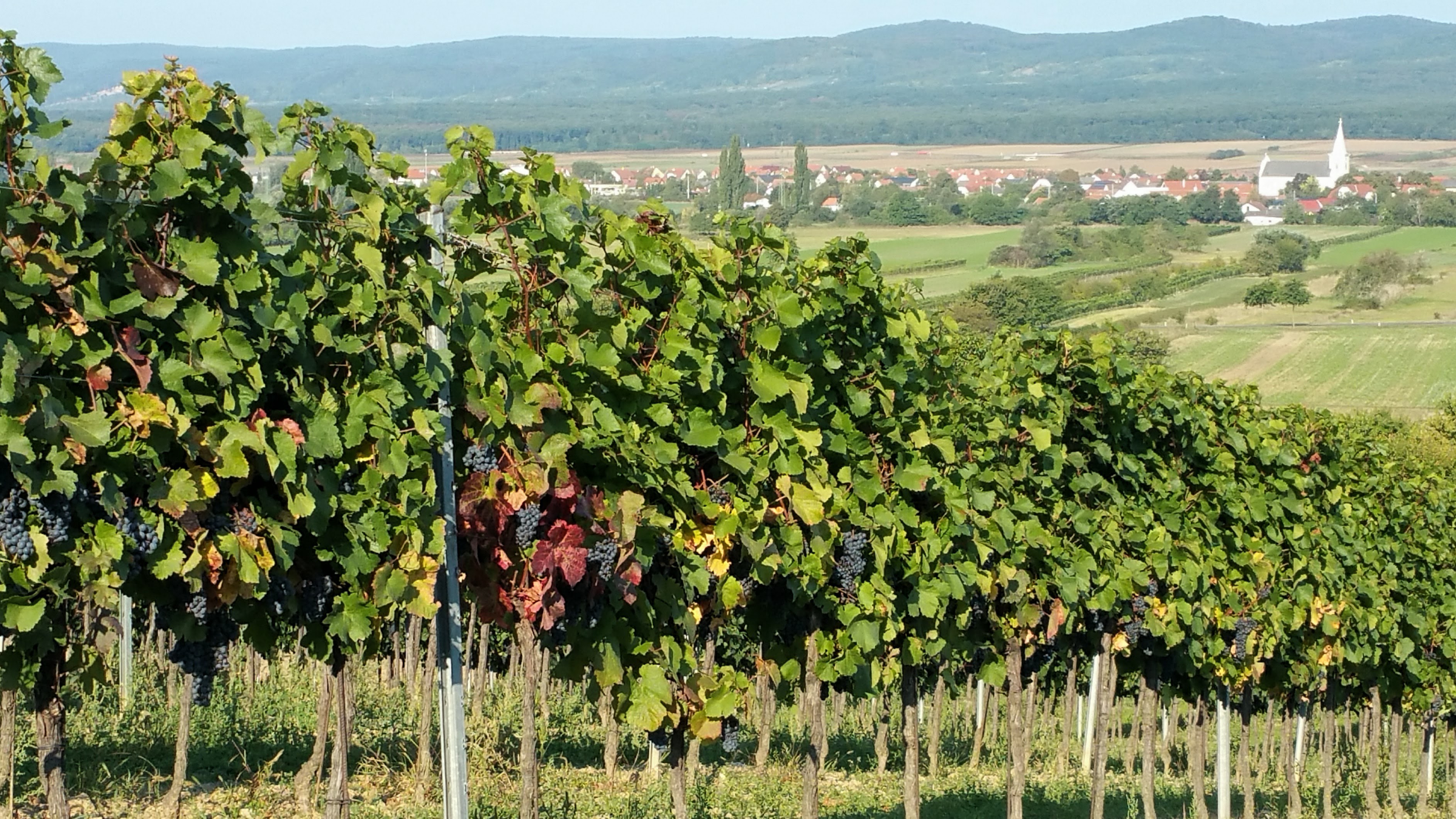
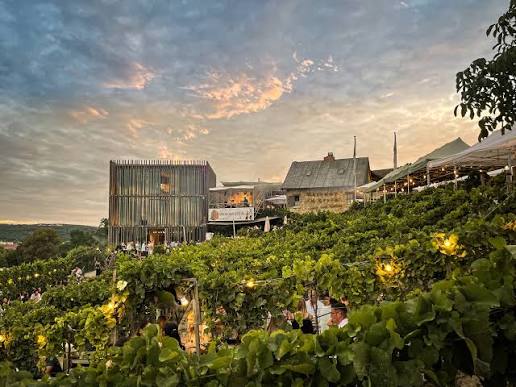
The restaurant sat on a winery, so I worked the vineyard too. The icewine harvest starts at midnight and ends at eight, and when it was over, everyone who'd helped ate breakfast in the vineyard. Nobody was seated by a host. Everyone had earned the chair.
A One-Way Ticket to Houston
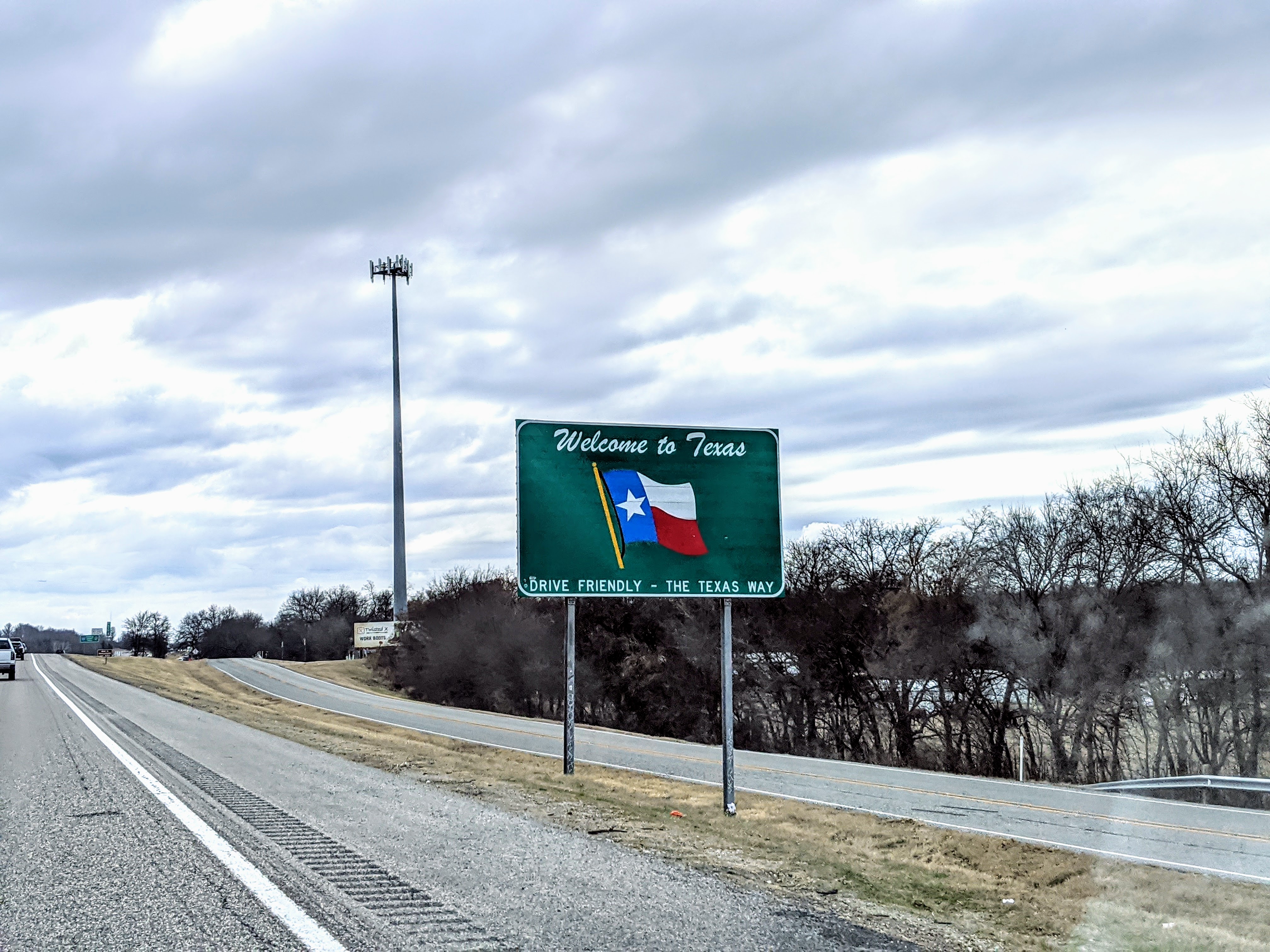
At 26 I left for Houston with a work visa, a one-way ticket, and no network.
I stopped eating. I don't mean I got sick or choosy. I just couldn't watch people eat while walking, driving, off paper plates, and I couldn't join in. I missed home. I missed people showing up unannounced. Even as a poor student I'd kept good bread and good cheese in the house. At least that.
One afternoon I drove a four-lane road to an HEB and walked the aisles for what felt like miles. So many choices. Nothing I wanted, nothing I craved. Then a woman started talking to me. What was I making for dinner? In that enormous store, in that enormous city, in a country I'd only just arrived in, a stranger asked what I was making for dinner, and her Southern charm brought me back.
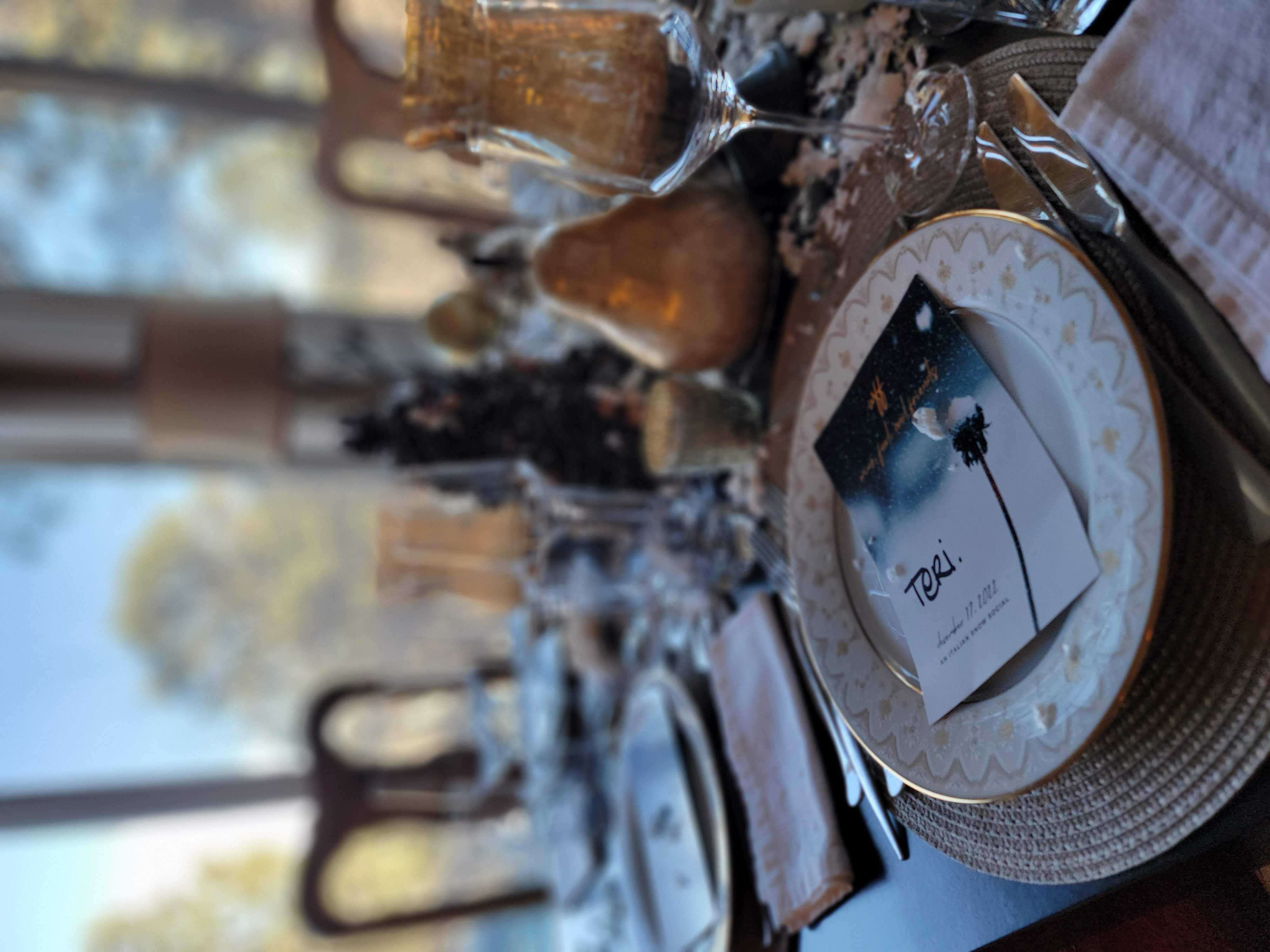
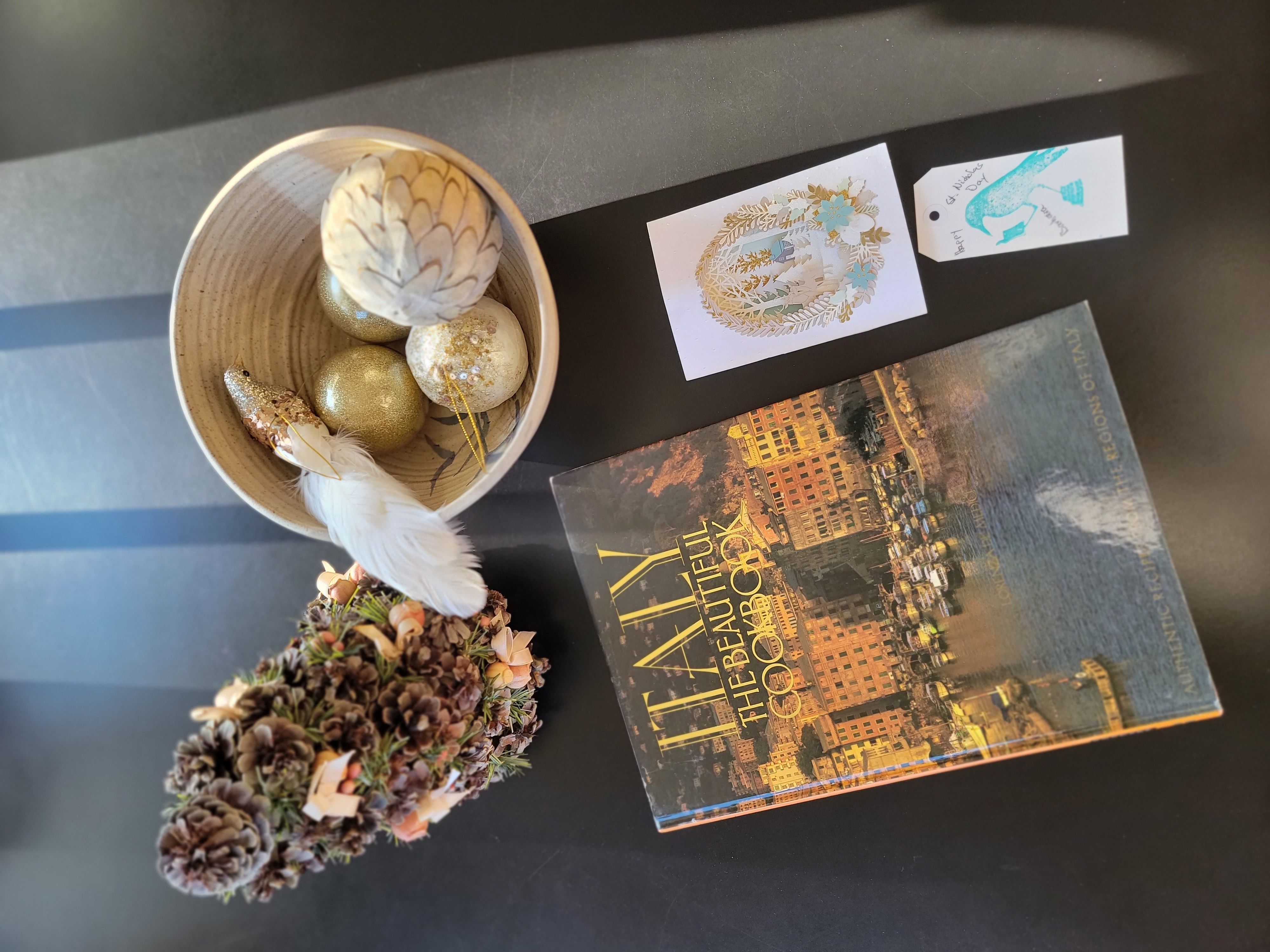
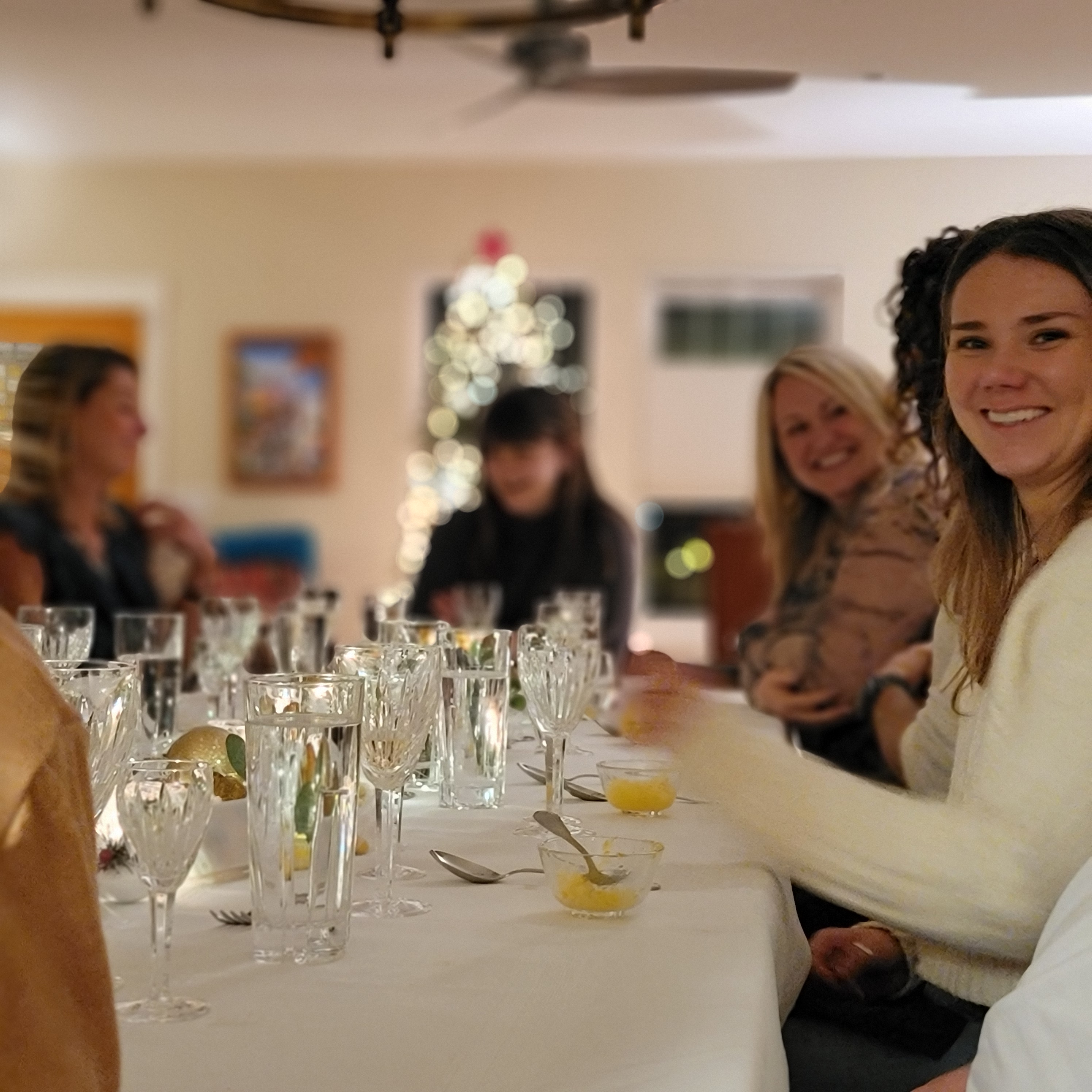
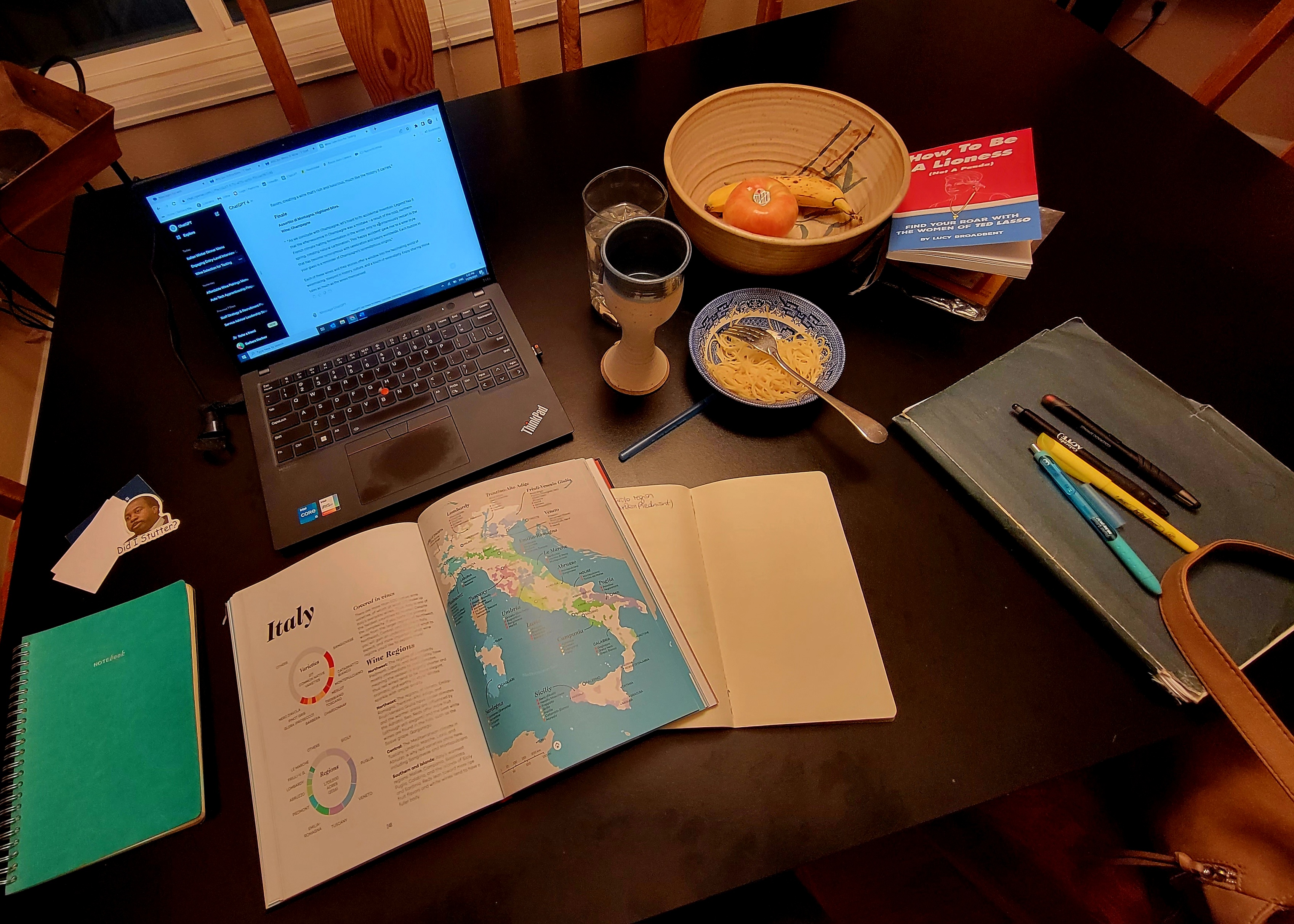
So I set a table. Not mine, since mine was too small, so a friend lent me his. I invited people who didn't know each other, different ages and backgrounds, and cooked for all of them, every December, right before the holidays swallow everything. I cut out ornaments. I hung actual tree branches from the ceiling (actual branches, from actual trees). I sat over Spotify building the perfect playlist so the room would travel to whichever region we were eating. Then I put on my apron, prepped, cooked, plated, and hosted all by myself, with no donations and no price.
I did not spare a dime. I never counted the receipts. I thought this was normal. (It was not normal. I am, by most standard assessments, a lot.)
It was a selfish project, and I'll say so plainly. I wanted to feel connected. I wanted to bring joy and curiosity to a table. I wanted to remember home. My family lives in Austria now. I live in Colorado.




The Sovereign Table
The Sovereign Table is that dinner, with the receipts finally counted.
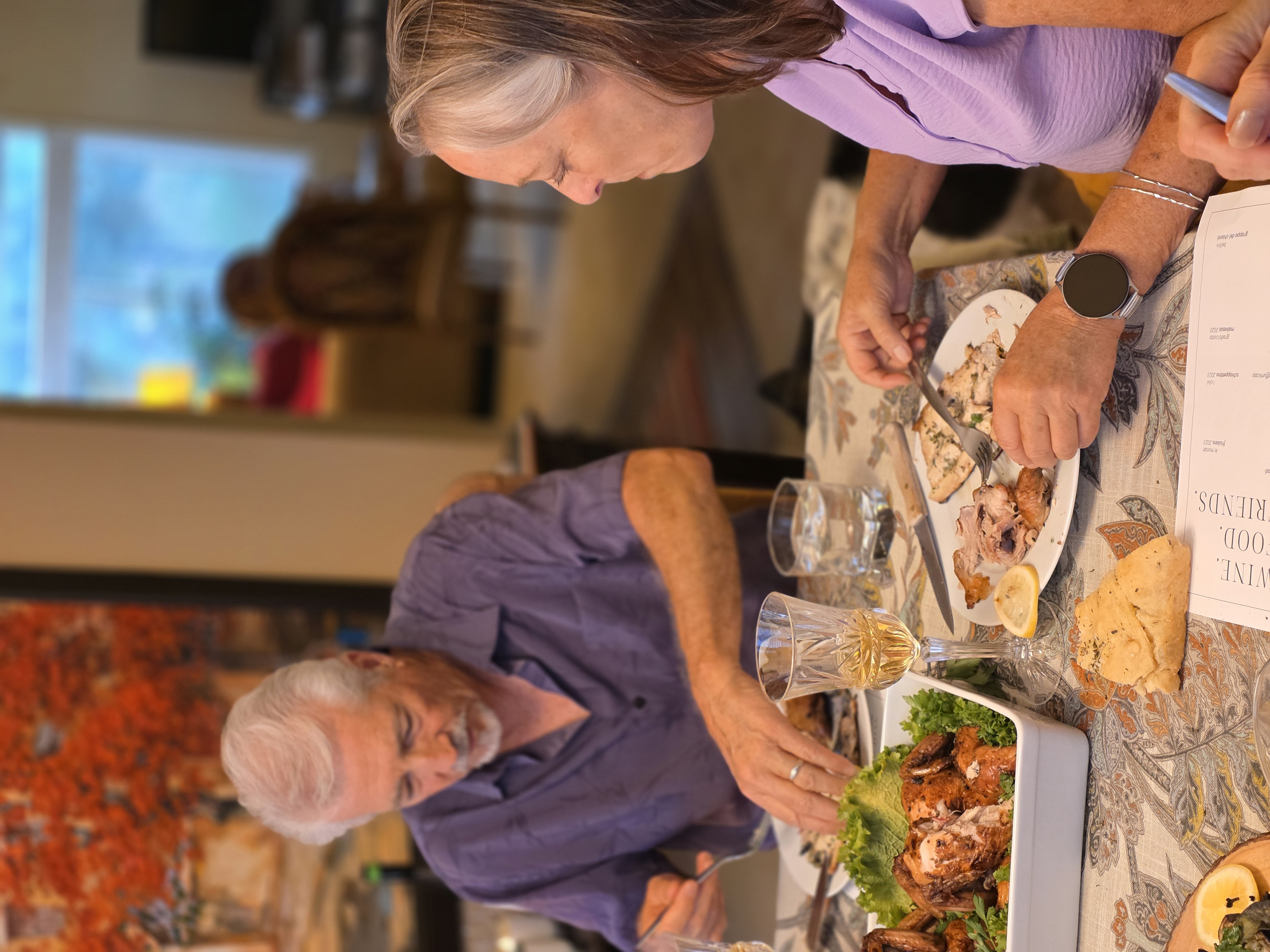
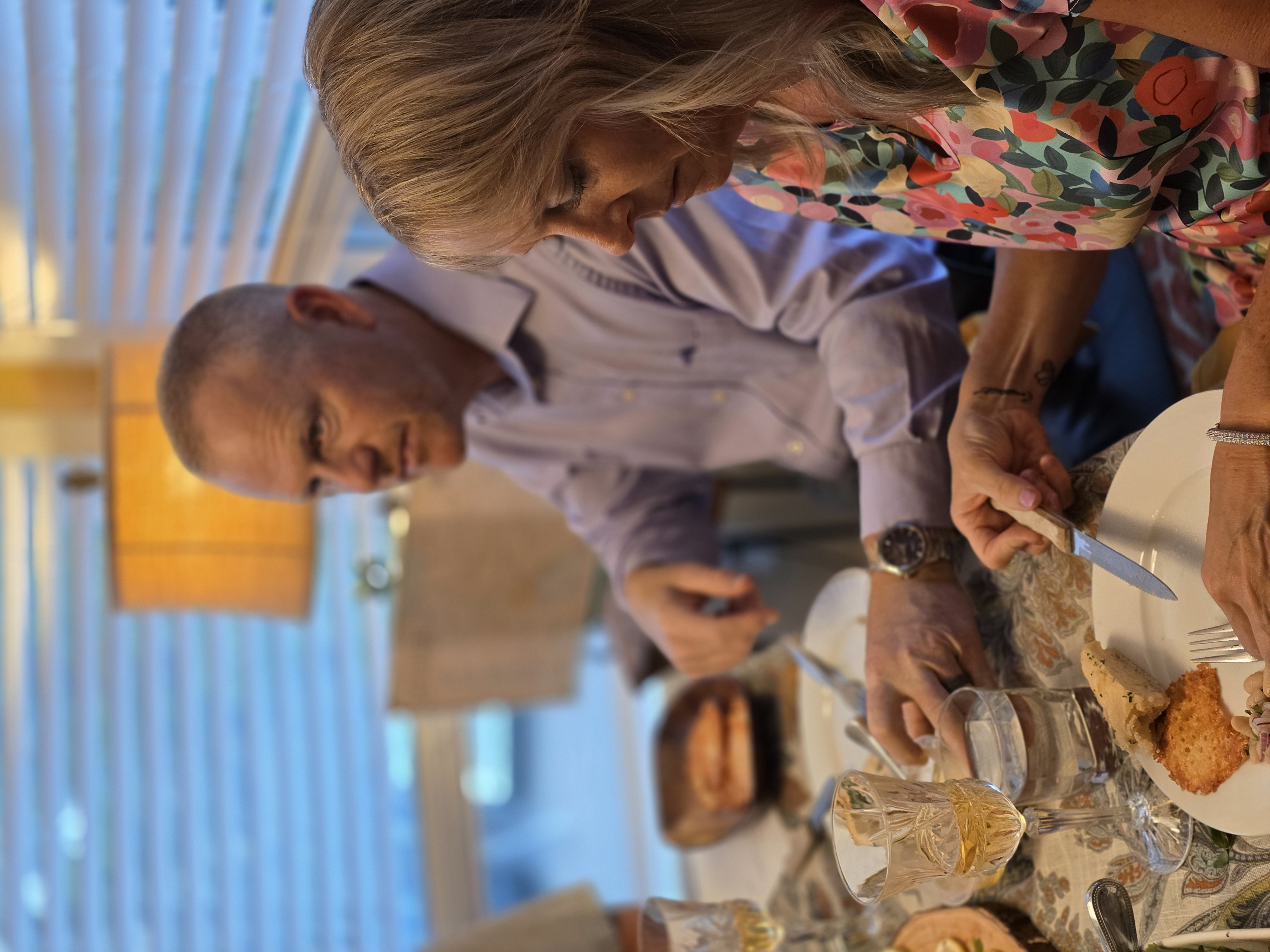
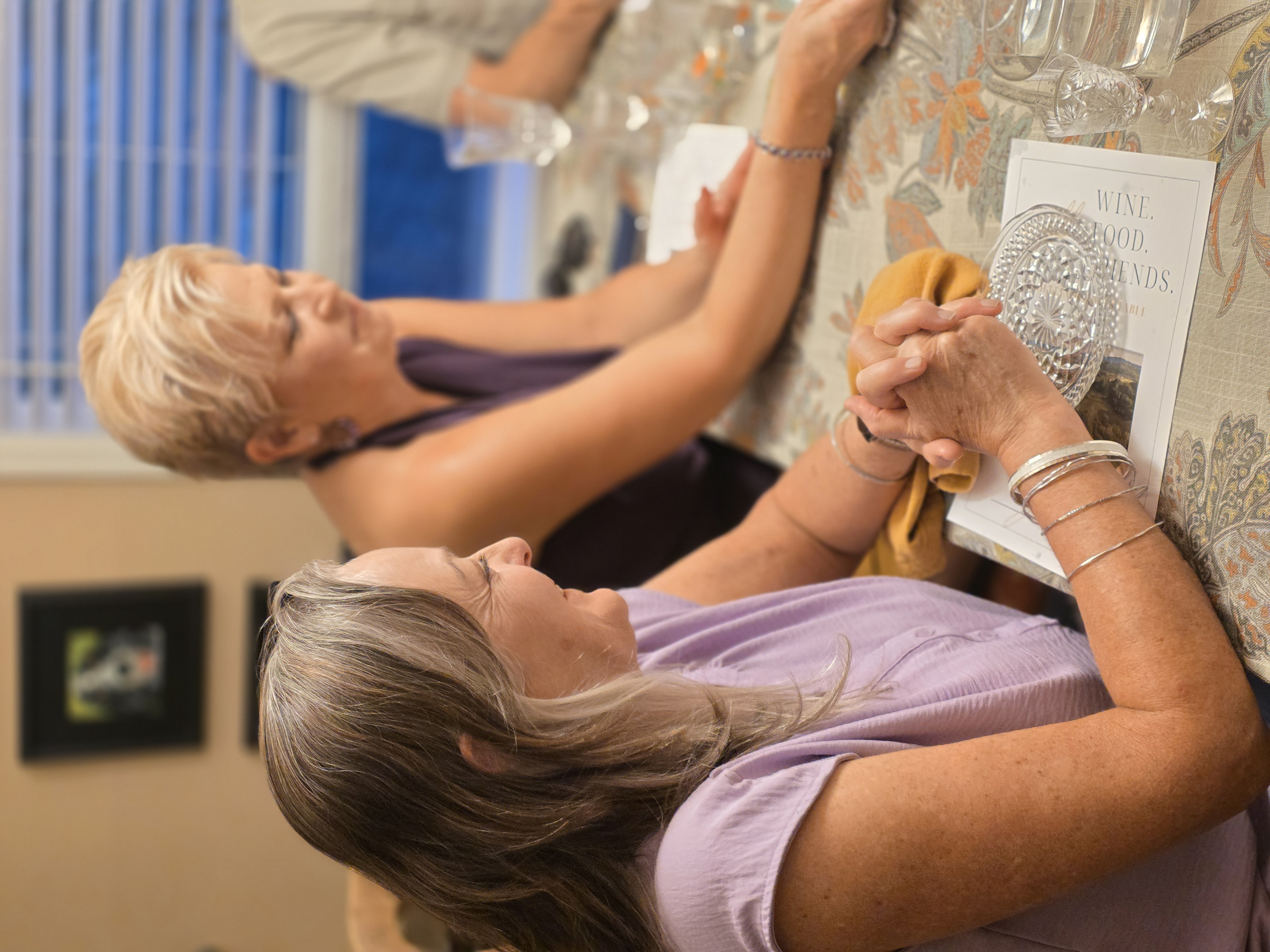
Sovereign means it's your table. You decide who sits at it. I bring the region, the menu, and the story before each course. You get to be a guest at your own dinner.
I believe that a true dinner experience should be a sanctuary, entirely free from outside distractions. Here, culinary storytelling is the centerpiece. Through thoughtfully crafted dishes, I weave narratives of heritage, memory, and meaning directly into the meal. This elevated standard of hospitality is an open invitation for guests to drop their guards, look each other in the eye, and truly belong to the conversation.
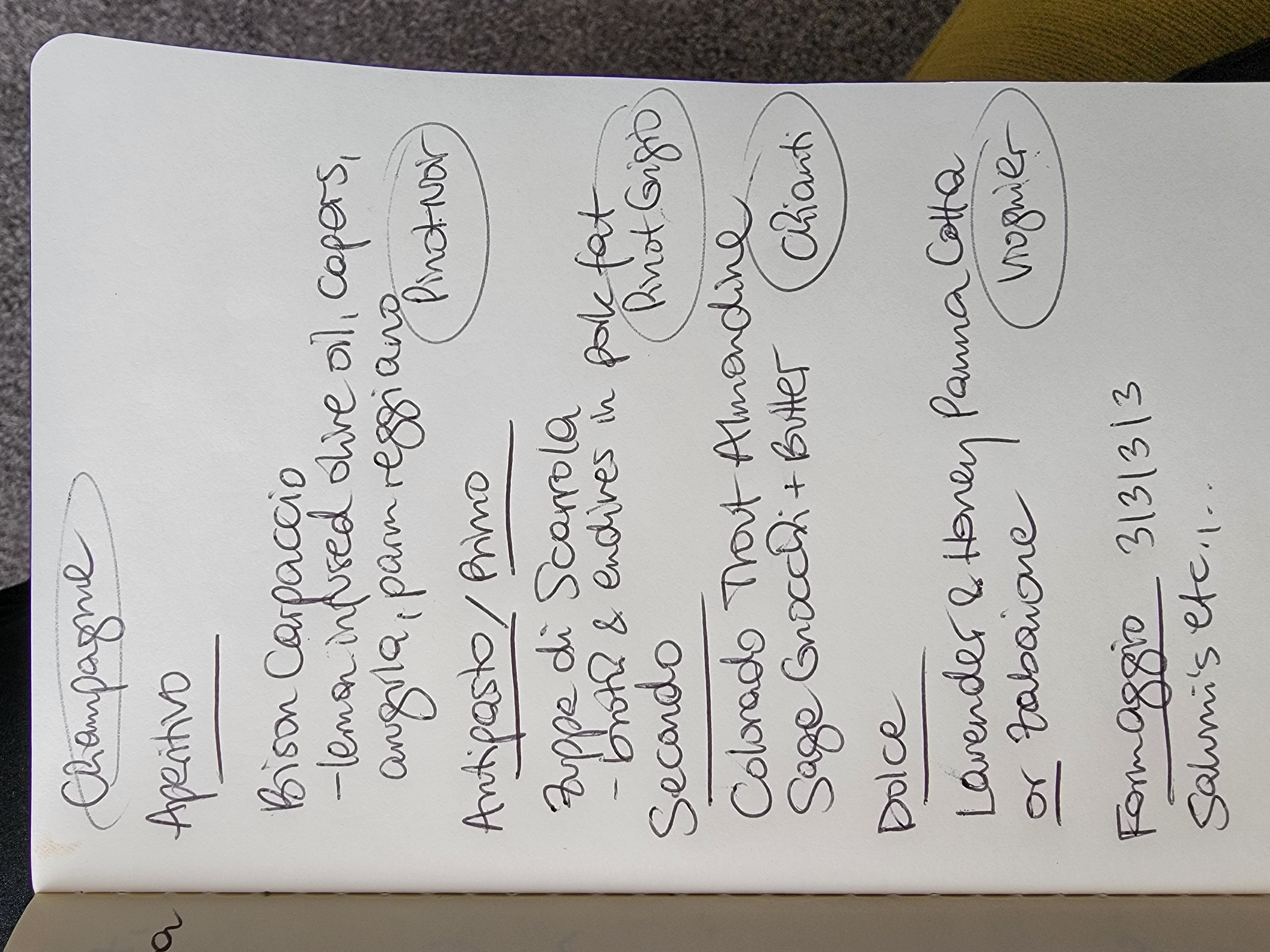
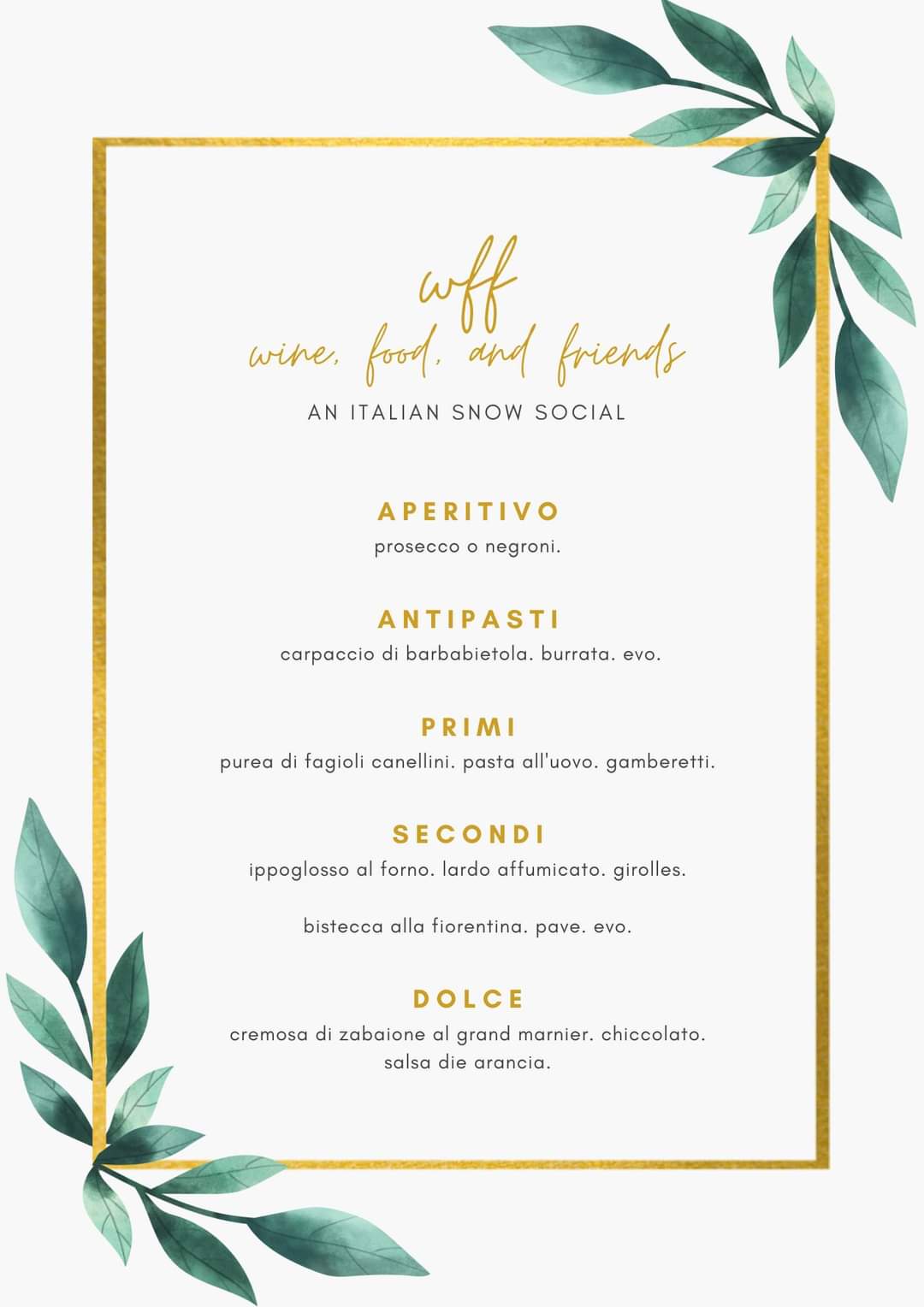
The evening runs at the pace of the food: several courses, a story before each, three hours or more. Nobody is rushed. (That includes you.)
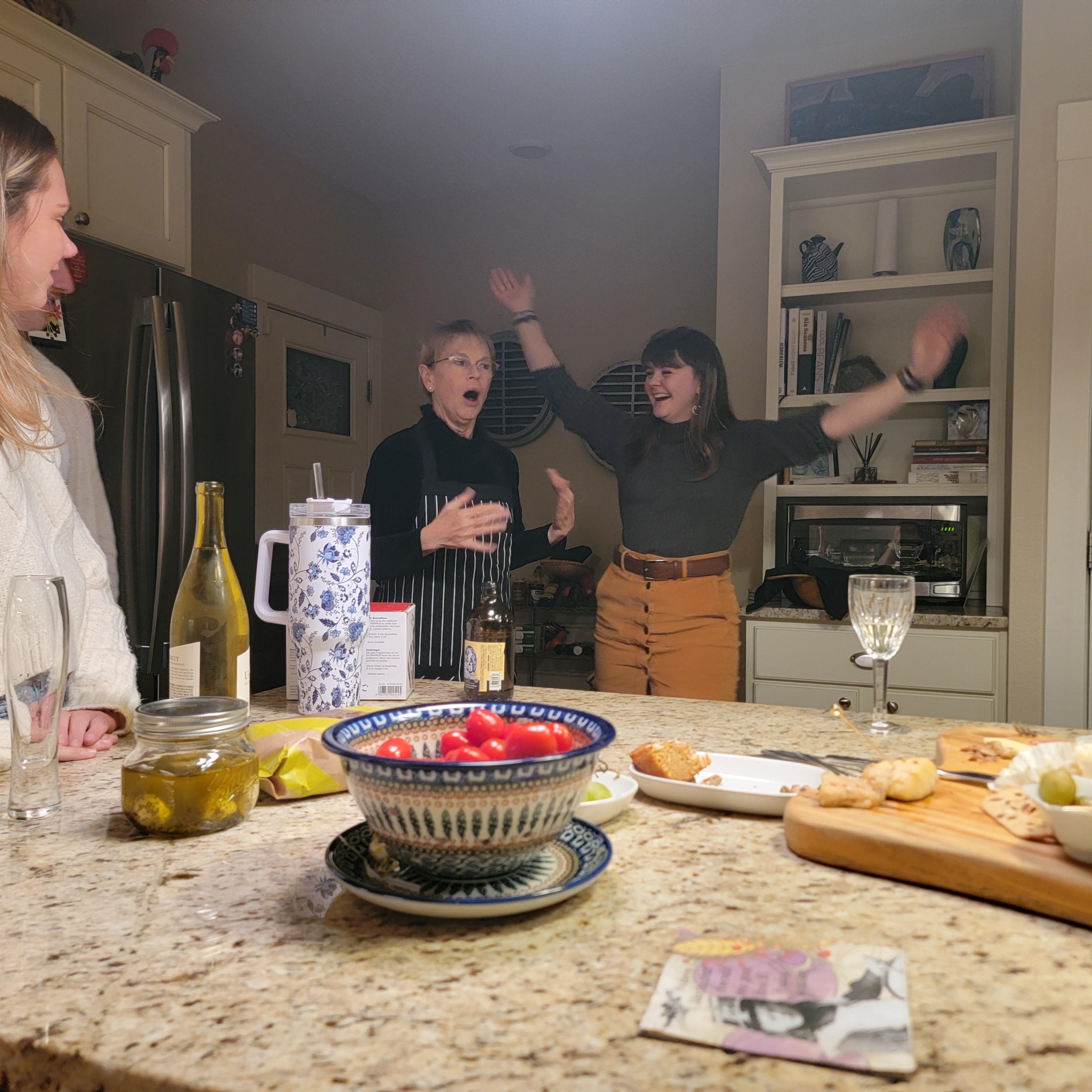
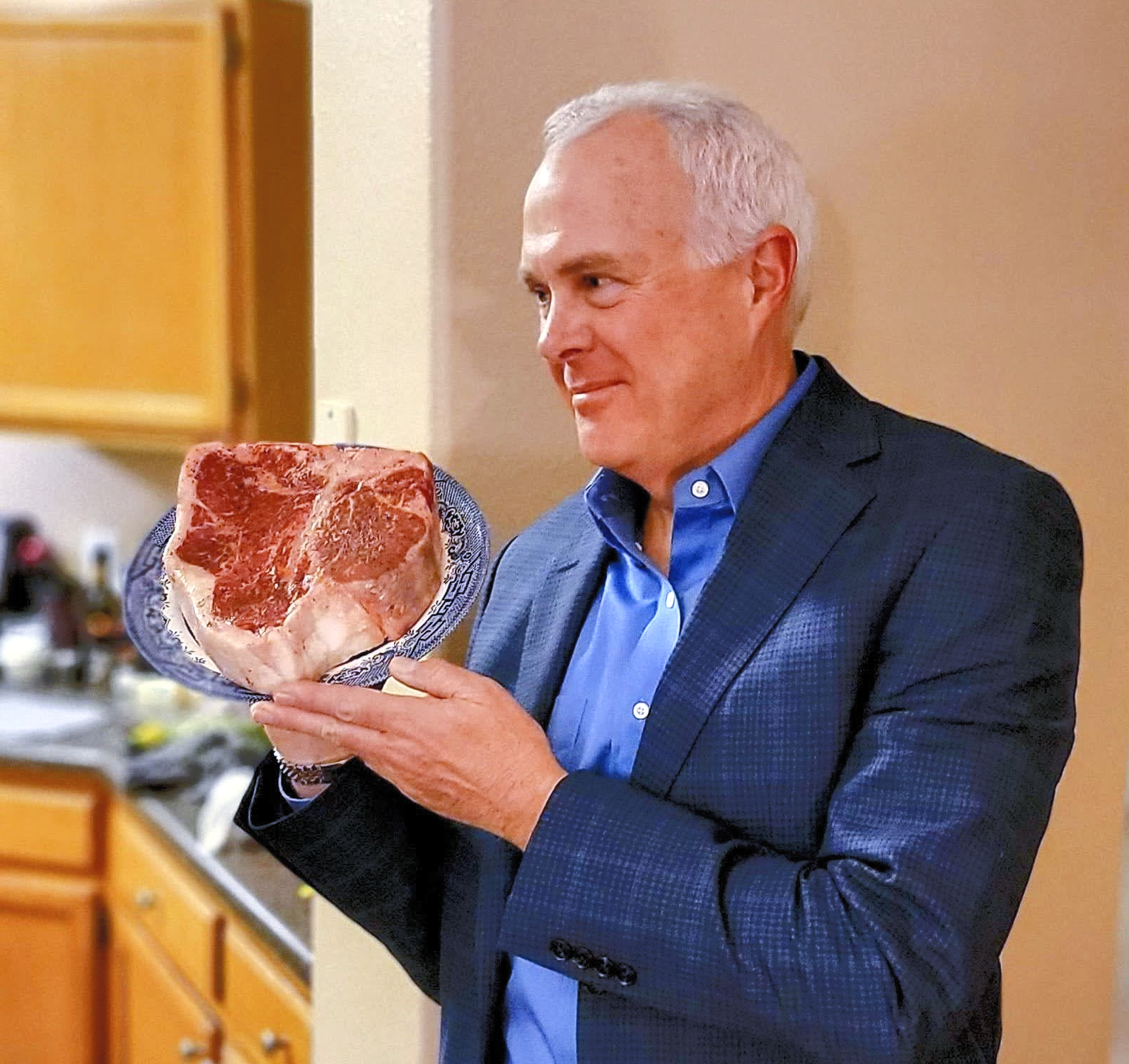
I come to your home and cook in your kitchen. I know kitchens. I apprenticed under a contractor installing Bulthaup and Poggenpohl (ultra-luxury German architectural kitchen systems) for a design showroom in Denver's RiNo district, and in Vienna I worked out of a food truck, a kitchen with no room at all. Yours will be fine.
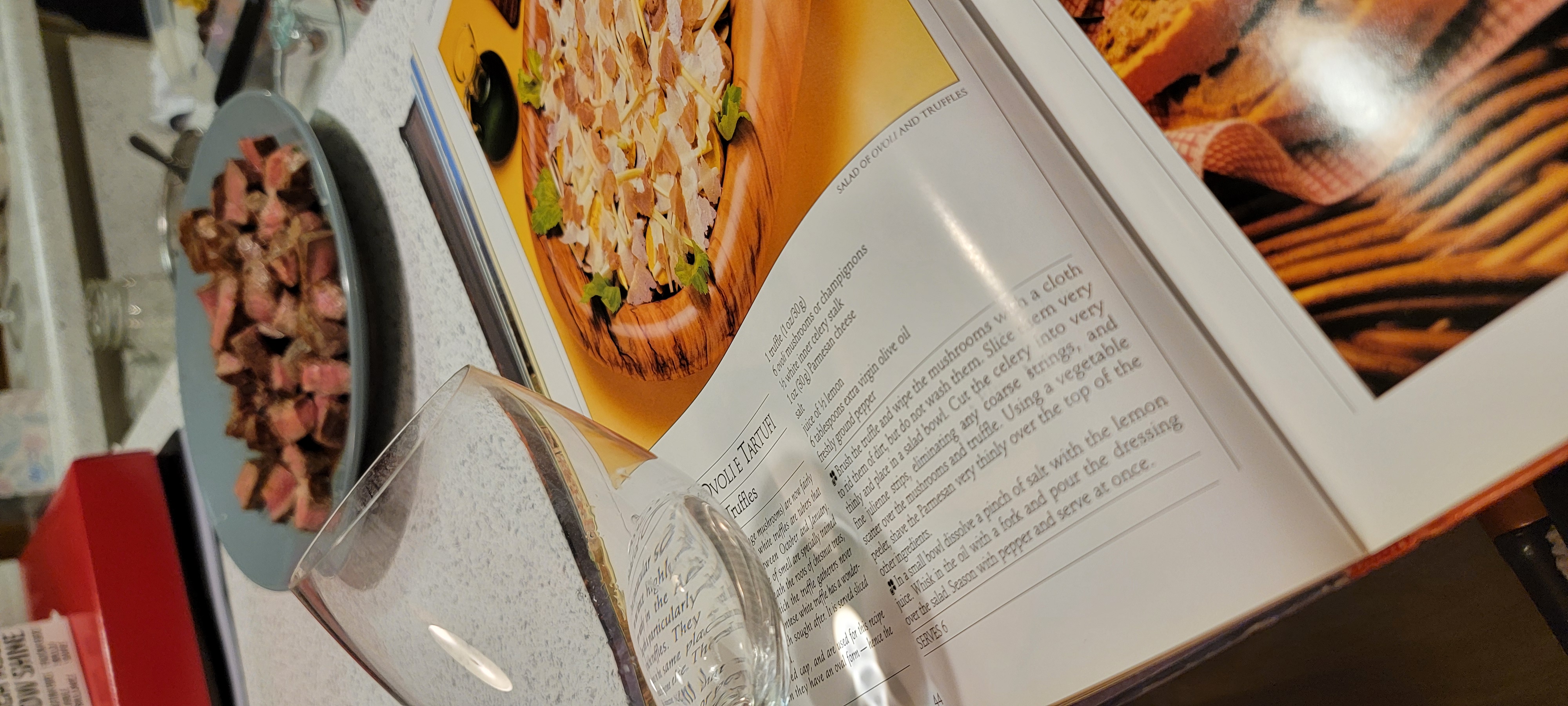
Before each course I tell you the story of one region: the vintner, the border, the grandmother's secret.
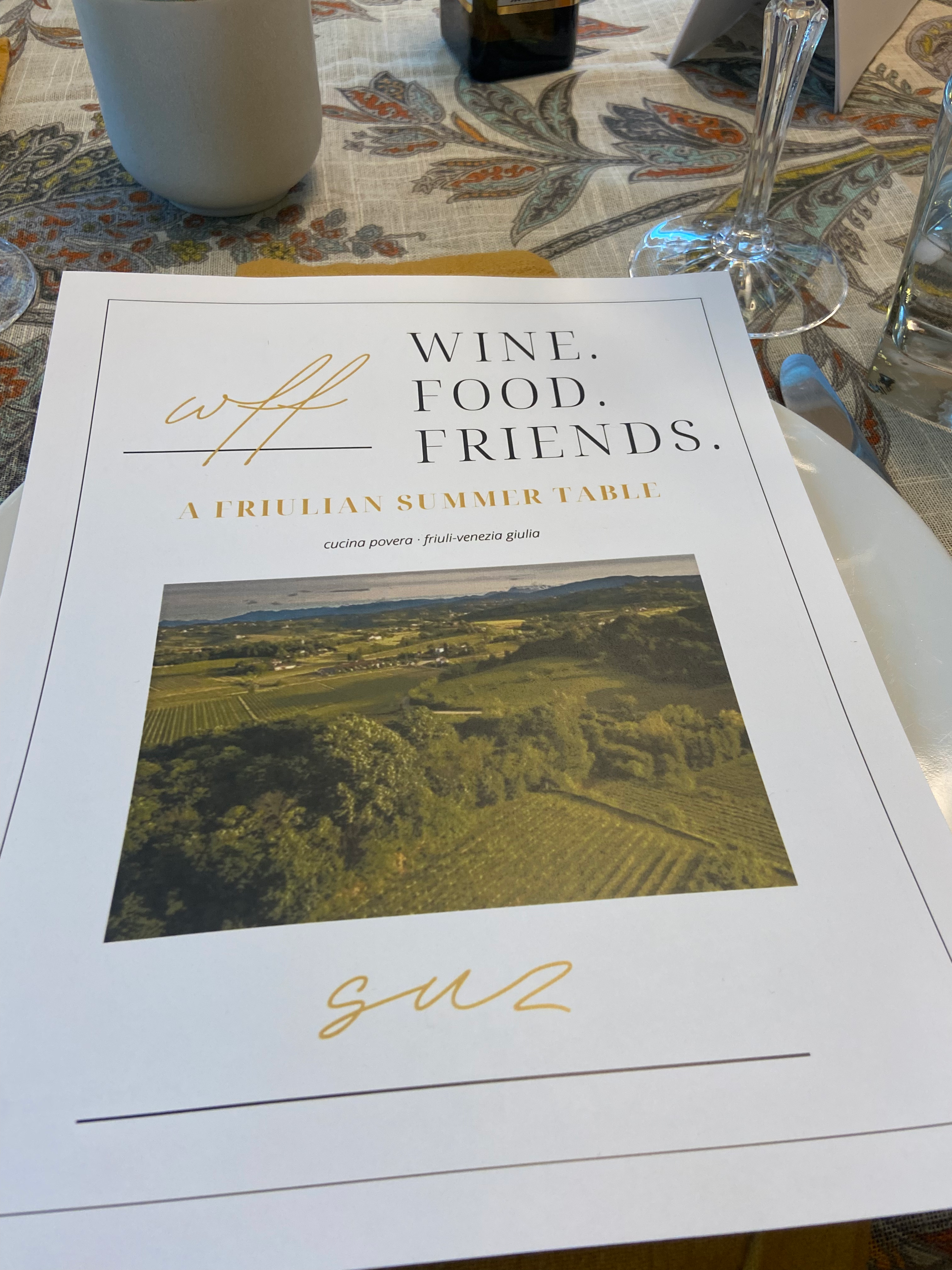
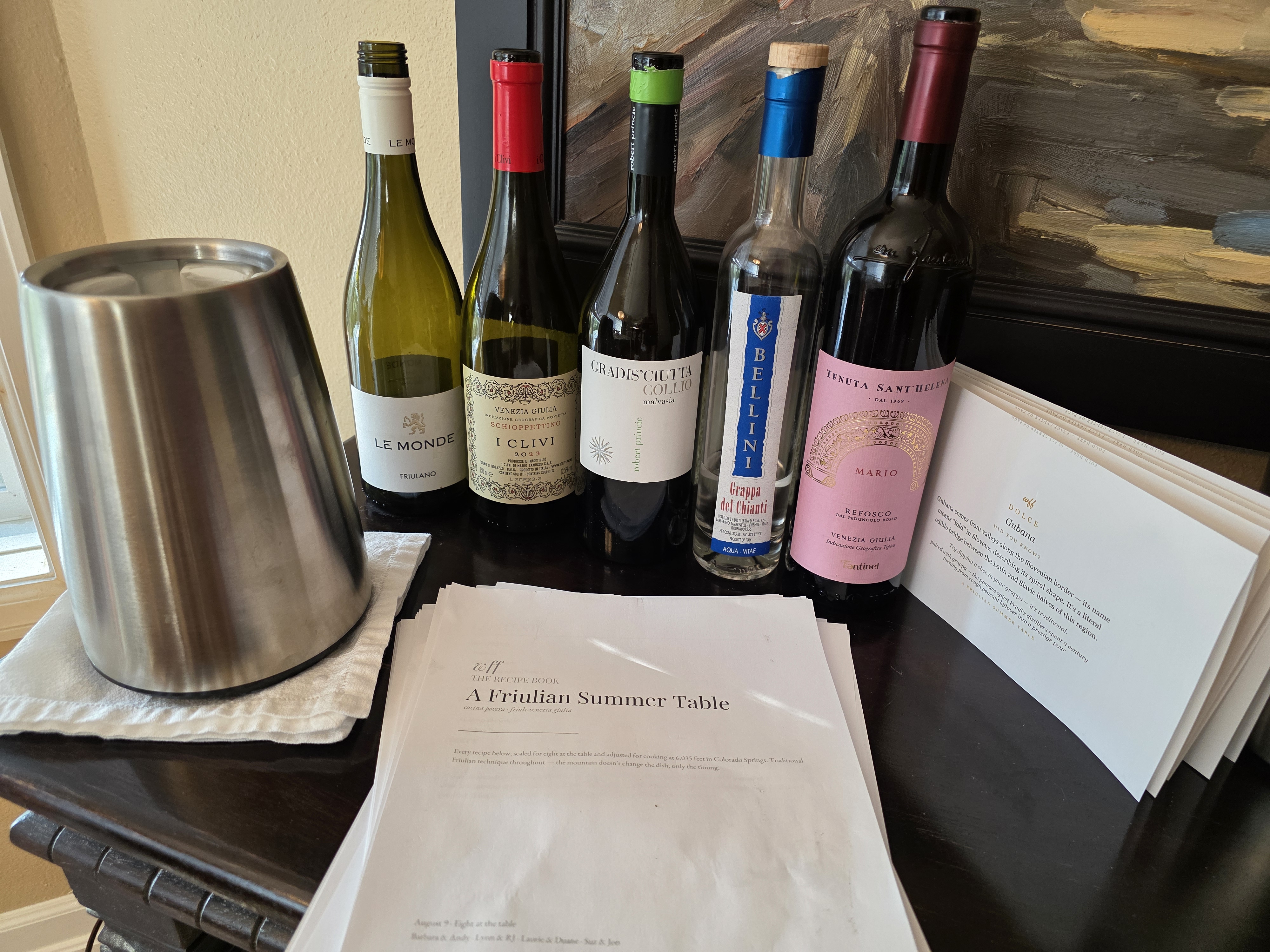
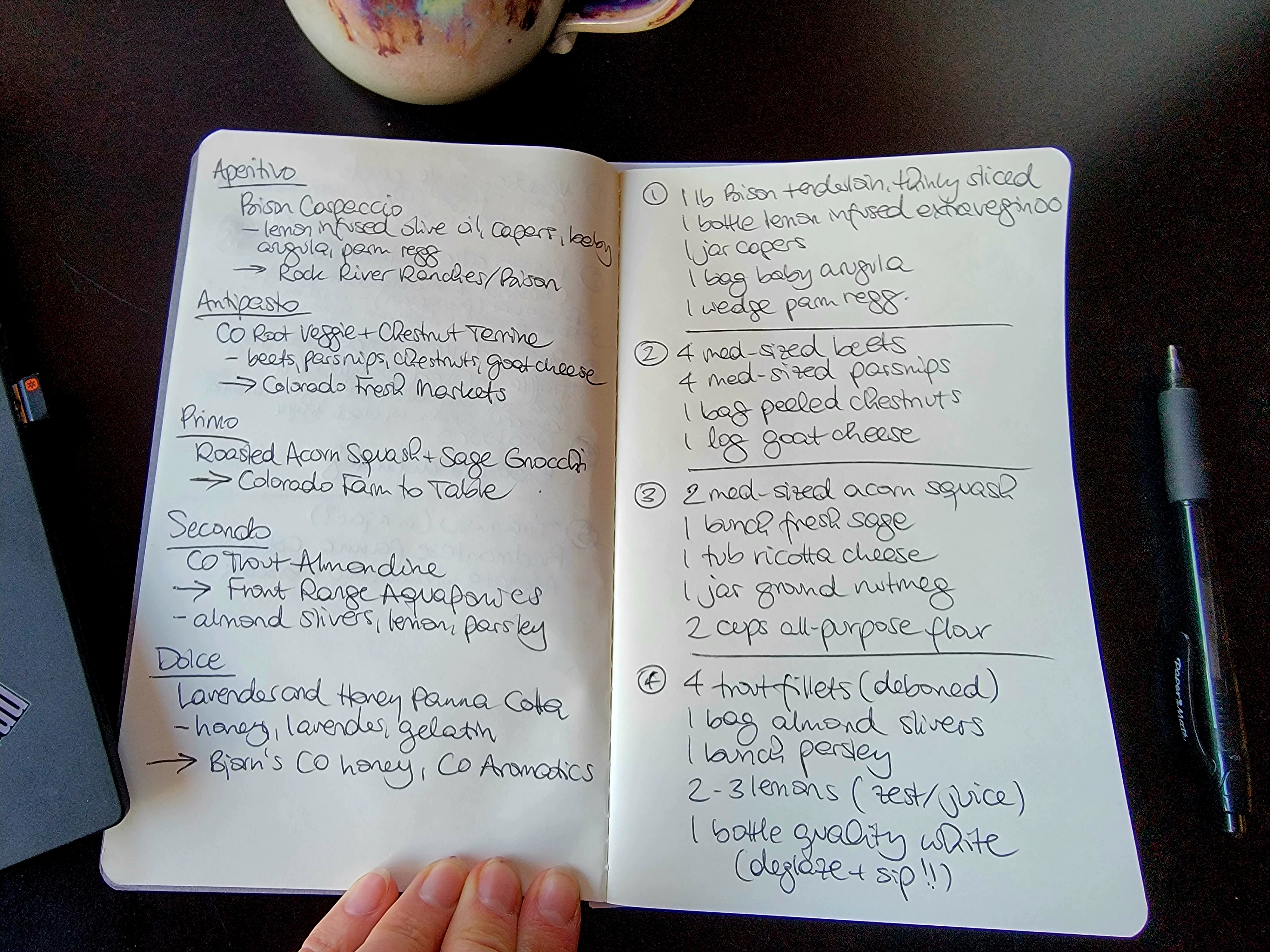
At your dinner, you'll taste two wines and find out why they differ. Somebody will argue happily about a sausage. Four to eight is the sweet spot. Ten is the limit, because a story needs a table, not a crowd. You'll leave with a recipe booklet.

"To dine well
is to honor tradition.
To converse well
is to enrich the mind.
And to live well is
to do both."
- Barbara Mariner
"To dine well
is to honor tradition.
To converse well
is to enrich the mind.
And to live well is
to do both."
Barbara Mariner